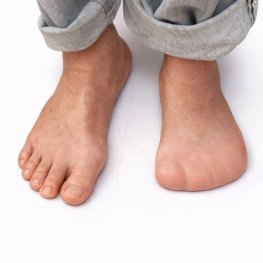
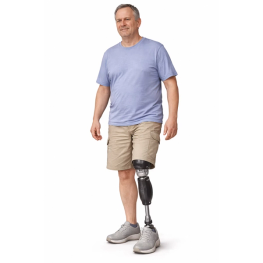
This condition is caused by the blockage of the arteries, the vessels that carry blood to the organs of the body. When this happens in the legs, the blood supply to the leg muscles is reduced, causing muscle pain (intermittent claudication). If this reduction in blood flow is very significant, ischaemia may develop and, in advanced stages, gangrene of the leg.
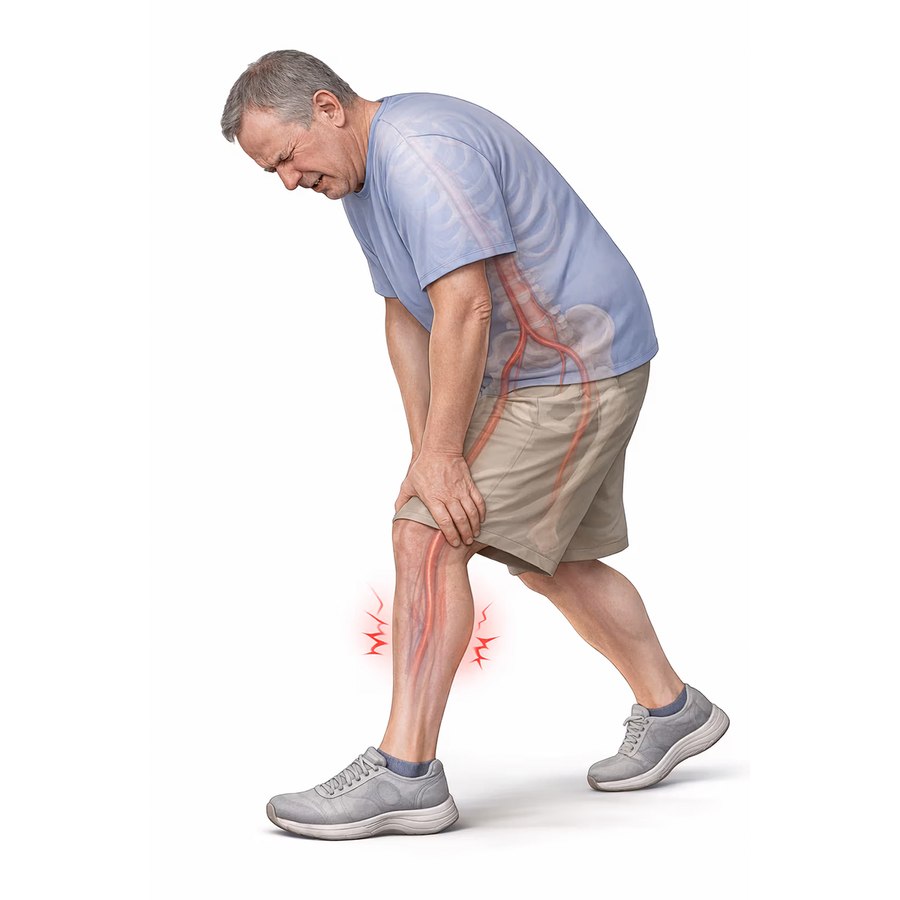
Peripheral Arteriopathy
HOW DO WE TREAT PERIPHERAL ARTERIOPATHY?
CONSERVATIVE MEDICAL TREATMENT: This is based on lifestyle changes, including giving up smoking for good and controlling cardiovascular risk factors. It is very important to emphasise disciplined, progressive exercise as a way of developing collateral circulation. This is combined with medicines that improve circulation and lower cholesterol or blood fat levels (statins), antiplatelet agents (acetylsalicylic acid, clopidogrel) or other haemorheological agents (cilostazol, pentoxifylline).
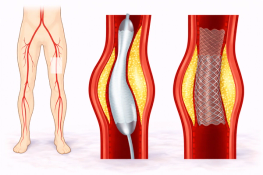
ENDOVASCULAR TREATMENT: This involves reopening, or recanalising, the blocked vessels using devices that restore arterial blood flow by dilating the vessel and placing spring-like systems (stents) or tubes (stent grafts). These procedures are carried out in sophisticated radiology suites using X-rays and costly devices. Today, this type of treatment is the first-line therapy.
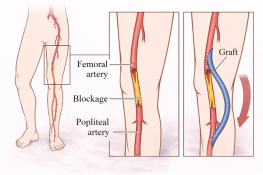
SURGICAL TREATMENT: Arterial bypasses are repairs that use tubes made of a special material or, preferably, the patient's own leg veins to carry
blood to the areas deprived of it because the arteries are blocked
Before
After