ChatGPT Image 11 mar 2026, 11_56_09

VENOUS THROMBOEMBOLIC DISEASE

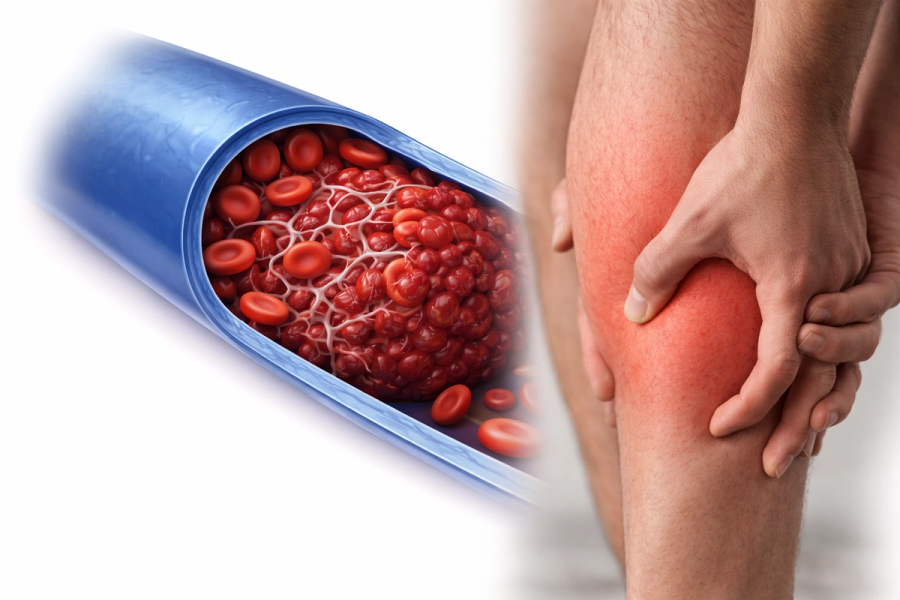
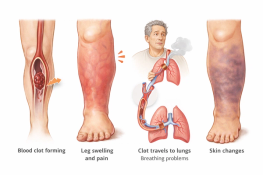
Thromboembolic disease is the blockage of veins in the deep venous system. When these veins become blocked, the result is pain, inflammation and an increase in the diameter or volume of the limb. These clots may stay in the vein or may break away, causing a PULMONARY EMBOLISM. Embolism, or thromboembolism, can be a very serious complication that leads to respiratory failure and even death.
A clot in the limb can lead not only to a pulmonary embolism but also to lasting after-effects such as post-thrombotic syndrome. A pulmonary embolism occurs when thrombotic material travels from a vein to the lung, causing respiratory failure that can be fatal

Post-thrombotic or post-phlebitic syndrome causes discolouration of the skin on the legs, pain and chronic swelling, and can lead to ulcers that are difficult to heal.
TREATMENT OF VENOUS THROMBOSIS

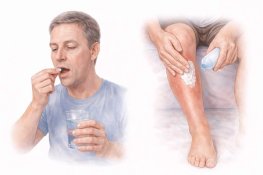
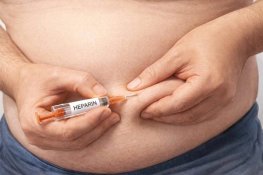
The aim is to prevent the clot that has formed inside the veins from migrating or moving elsewhere and reaching the lung, causing a PULMONARY EMBOLISM. To avoid this, anticoagulant medication must be given (it prevents new clots from forming), either as tablets (oral anticoagulants) or as injections under the skin (low molecular weight heparin).

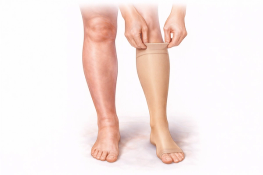
Treating clots in the legs requires compression stockings and anti-inflammatory medication.

It is important to help the clots dissolve, as this will prevent the venous valves from being damaged and no longer working properly. Another aim is to prevent post-phlebitic syndrome from developing, which would involve skin problems, a tendency to swelling (oedema) and a risk of developing an ulcer.