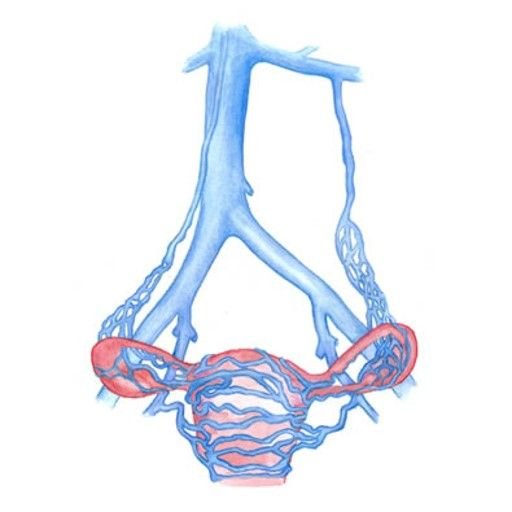
venas pélvicas

Ovarian varices and Pelvic Congestion Syndrome

This condition affects 15% of women. It is little known and can cause a great deal of anxiety, as many specialists are unfamiliar with it and do not know how to identify it.

It presents as abdominal and pelvic pain related to hormonal changes. It can also be associated with heavy legs and varicose veins in unusual locations (vaginal, vulval, haemorrhoidal, gluteal, etc.). Some patients experience pain during or after sexual intercourse, a feeling of urinary urgency and a sensation of heaviness in the genital area. When a woman develops varicose veins near the vulva or on the labia majora during pregnancy, their origin lies within the pelvis. Minimally invasive tests can give us a definitive diagnosis, allowing us to plan the most appropriate treatment strategy.
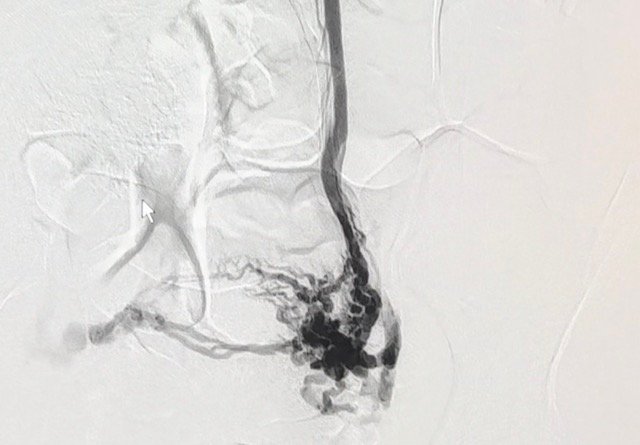
How can we treat them?

The aim is to eliminate the main source of venous overload or reflux. The treatment known as EMBOLISATION involves implanting small devices called "coils", which relieve the congestion by blocking the flow of blood, thereby eliminating the reflux or overload in the pelvic varices. We also combine this with microfoam, a product injected painlessly that dries up the dilated veins and turns them into fibrous tissue.

Ovarian vein embolisation procedure

Embolisation of veins inside the abdomen (mainly the ovarian veins, but also the pudendal and hypogastric veins) involves closing them off from the inside using devices (COILS) or by injecting microfoam (a mixture of a sclerosing drug and a gas), so that the dilated veins no longer cause heaviness or chronic pelvic and genital pain

Real treatments

IMG_2579 en tamaño mediano
Before
After